Bryse Wilson Returns to Brewers on One-Year Deal

PRONOS.CLUB
August 11, 2026 · 35 views
Quick Reversal for Wilson and the Brewers
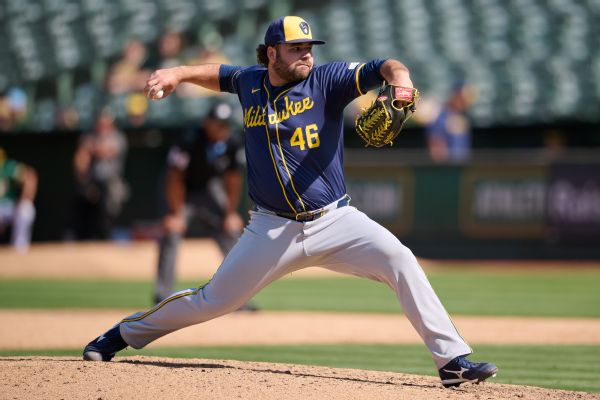
Designated for assignment (DFA) by the Milwaukee Brewers on Saturday, pitcher Bryse Wilson didn't wait long before rejoining his team. Just days after this initial decision, the club brought him back under a one-year contract, marking an interesting strategic pivot for the organization's roster management. This situation reflects the constant adjustments MLB franchises make during the season, particularly when facing depth considerations in their pitching rotation.
Analysis and Competitive Context
The remarkably short timeline between Wilson's designation and reinstatement suggests that the Brewers evaluated available free-agent alternatives and concluded that retaining a pitcher with major-league experience represented their optimal path forward. This tactical decision indicates organizational confidence in Wilson's potential despite the performance concerns that initially warranted his DFA. Milwaukee appears intent on stabilizing their rotation during a critical phase of the season, using quick decision-making to address roster composition.
Implications for Bettors and Connected Markets
For sports betting analysts, this rapid reversal raises important questions about organizational confidence in Wilson's abilities moving forward. The swift recall of the pitcher could influence odds related to Milwaukee's future performance, particularly markets covering the Brewers' win-loss outcomes, total points in upcoming games, and overall rotation quality. Sharp bettors should monitor how this decision shapes analytical perceptions regarding the depth and stability of the pitching staff.
Trends to Monitor Across Connected Markets
Swift organizational moves like this one frequently generate intriguing opportunities in game-line markets. Should the Brewers demonstrate renewed confidence with Wilson in the rotation, odds surrounding their performances might offer value to bettors who properly calibrated the implications of this roster modification. Pay particular attention to contests where Wilson receives a potential starting opportunity—these situations traditionally represent meaningful analytical comparisons for sophisticated handicappers.
Long-Term Perspective
The Wilson case exemplifies modern MLB's dynamic rotation management, where rapid decisions reflect competitive season pressures. For bettors tracking Milwaukee, this situation underscores the importance of understanding organizational decision-making beyond surface-level statistics. Franchises demonstrating the ability to quickly recalibrate their alignments often reveal sophisticated decision-making cultures—a factor that predictive betting models should incorporate when assessing teams' competitive positioning.