Chelsea sacks Rosenior: the real reasons behind the shock departure

PRONOS.CLUB
April 23, 2026 · 110 views
An Unexpected Departure at Stamford Bridge
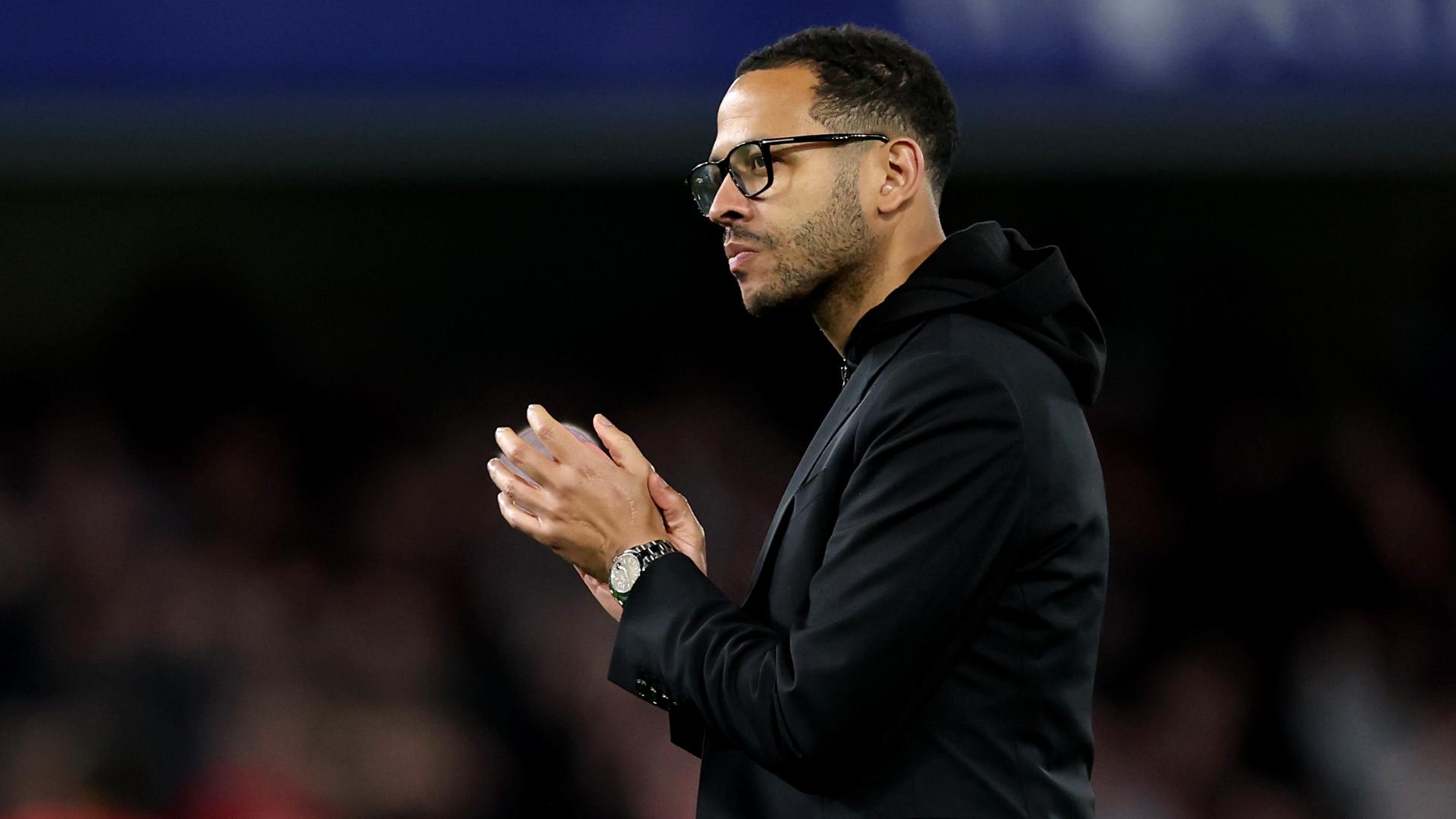
Chelsea has officially announced the sacking of Liam Rosenior, ending an adventure that lasted only a few months at the helm of the London club. This decision comes in a context of disappointing results and negative momentum within the squad, questioning the ambitious recruitment strategy implemented by the club's management in recent seasons.
Reasons Behind the Premature Split
Rosenior's arrival had come with high expectations, but the manager failed to impose his football philosophy on the existing players. Premier League performances fell short of objectives, marked by frustrating defeats and inability to generate collective momentum. Beyond results, disagreements over squad management and tactical implementation appear to have accelerated the separation process. Chelsea, a historically impatient club, did not give Rosenior enough time to build a coherent sporting project.
Sports Context and Future Challenges
The club has accumulated manager changes for several years, creating chronic instability. This chaotic approach directly affects player confidence and tactical cohesion necessary to compete at the highest level. The substantial investments made by owner Todd Boehly have not delivered the expected results, transforming Chelsea into an experimental laboratory rather than a stable force capable of dominating the Premier League.
Impact on Betting Markets
For bettors, this change creates a period of uncertainty. Odds for Chelsea's Premier League title victory will certainly adjust downward, reflecting institutional instability. In the short term, carefully monitoring Chelsea's performance in upcoming matches is crucial: a fresh start may temporarily boost confidence, but the track record suggests that the lack of long-term vision remains a major risk. Markets on Chelsea's specific results deserve cautious analysis.
Implications for Sports Investors
Experienced bettors should consider Chelsea as a volatile environment. Frequent managerial changes create value opportunities, particularly on undervalued odds in the short term after a departure announcement. However, the lack of stability makes any medium-term predictive betting on the club's overall championship performance risky. Match-by-match betting and scorer markets will be more reliable than seasonal projections.
Perspectives and Conclusions
Rosenior's sacking marks another uncertain chapter for Chelsea, but also an opportunity for attentive bettors to identify value during a transition period. The arrival of the next manager will be decisive: if Chelsea opts for tactical continuity with a new leader capable of stabilizing the collective, odds could offer potential. Until then, caution remains advisable when facing a club experiencing a prolonged identity crisis.