Emi Martínez plays through broken finger: Aston Villa's UEL triumph

PRONOS.CLUB
May 21, 2026 · 93 views
A final played under the most difficult conditions
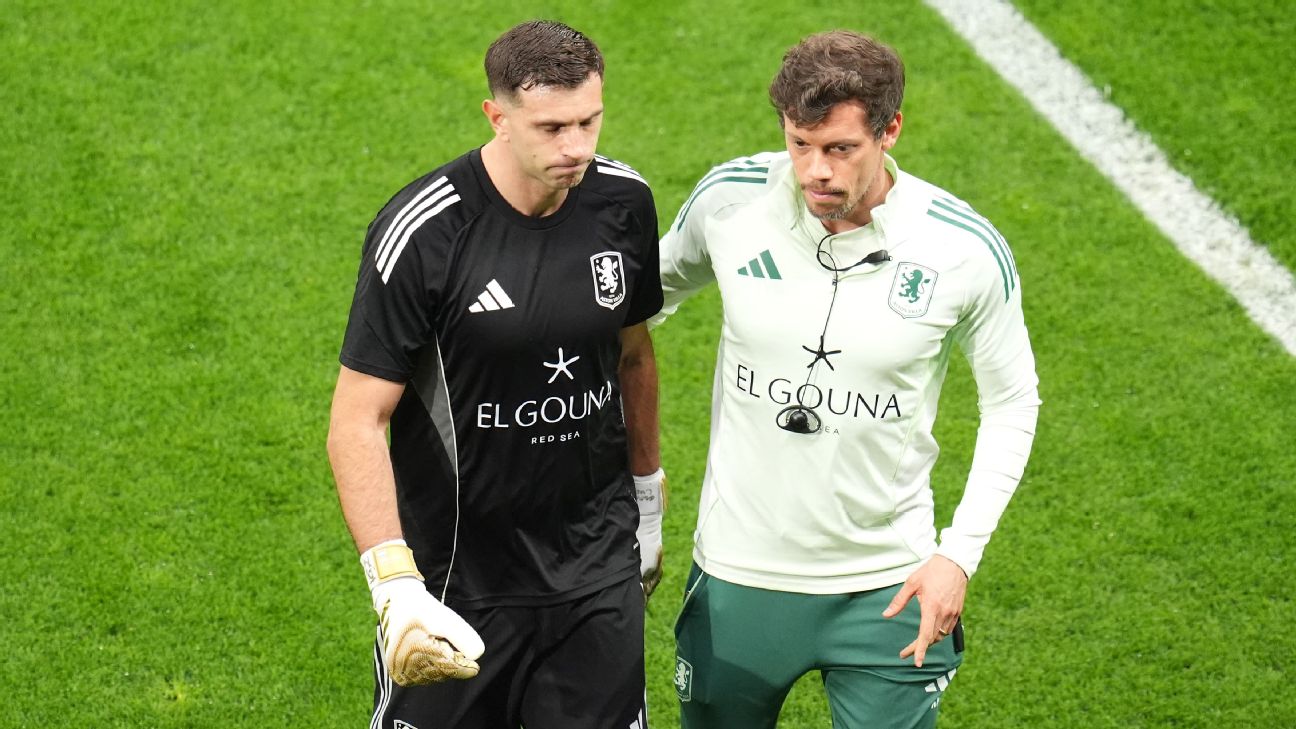
The Europa League final between Aston Villa and SC Freiburg in Istanbul delivered far more than just football. Emiliano Martínez, the Villans' goalkeeper, revealed breaking a finger during warm-up before kick-off. Despite this injury, the goalkeeper chose to defend his team's colors throughout the match, demonstrating exceptional determination in the face of physical adversity.
The mental significance of such a revelation
This anecdote reveals the particular psychology of major European matches. While many goalkeepers would have considered withdrawal or a reduced role, Martínez opted for total commitment. This determination becomes a major psychological factor for bettors: teams displaying this warrior mentality have historically shown superior performances in finals, where every mental detail matters.
Resilience as a performance indicator
Martínez's story fits into a broader dynamic. Aston Villa, an ambitious club, builds its strength on solid mental foundations. For sports analysts, this kind of post-match revelation indicates a team capable of overcoming adversity, a crucial element in assessing true probabilities in European competitions. Teams displaying this adaptability capacity generally see their success odds reassessed upward during final stages.
Implications for European betting markets
On the betting side, these late revelations offer an opportunity for analytical recalibration. Bookmakers set their lines based on objective data, but human factors and mental resilience often remain underestimated. Attentive bettors who integrate these psychological elements into their analysis often gain significant advantages on markets for teams displaying this mentality.
A trend to watch for future European competitions
Aston Villa's performance, marked by these personal overcoming stories, sets an interesting precedent. For future European competitions, monitoring teams' ability to manage unexpected adversities becomes a priority analysis angle. Clubs demonstrating collective resilience deserve a positive reassessment of their chances in knockout competitions.