Champions League: UEFA's escalating clash with FIFA's Infantino

PRONOS.CLUB
August 28, 2026 · 77 views
A Draw Overshadowed by Institutional Conflict
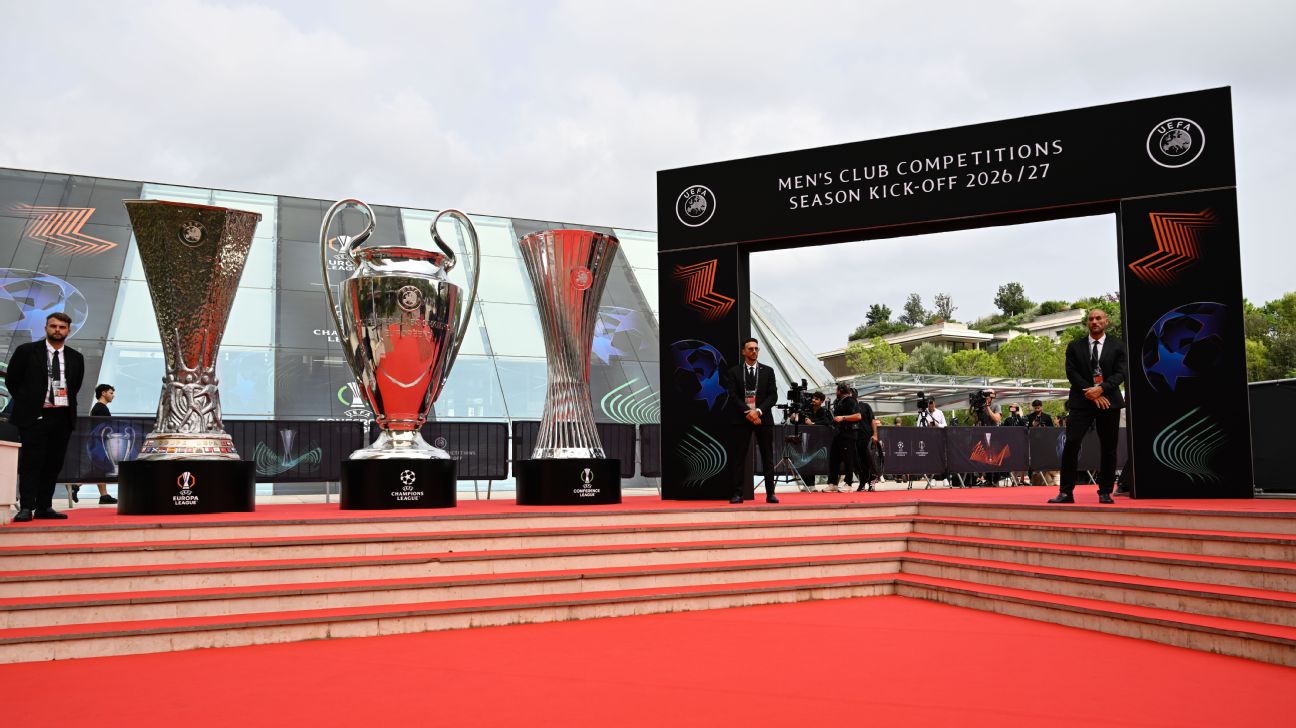
Thursday's Champions League draw in Monaco captivated European football enthusiasts not merely for its sporting implications, but for the explosive political context surrounding it. Beyond group formations and anticipated matchups, the escalating conflict between UEFA and FIFA President Gianni Infantino dominates continental football discourse. This intensifying clash reflects profound structural tensions over global football governance.
UEFA Escalates Its Stance Against FIFA Leadership
The confrontation has transcended public statements and diplomatic disagreements, now entering the realm of criminal litigation. UEFA's decision to pursue legal channels against FIFA's leadership signals a strategic commitment to challenge decisions perceived as detrimental to European football. This judicial turn, particularly regarding global club competition expansion and other FIFA initiatives, demonstrates Europe's willingness to fight institutional battles through legal mechanisms.
Competition Format Transformation Creates New Dynamics
Despite institutional turbulence, the Champions League continues its radical transformation with a new league format replacing traditional group stages. This structural change generates unprecedented competition dynamics that intrigue bettors and analysts. Increased fixture density and unpredictability create fresh arbitrage opportunities for those analyzing tactical adaptations and physical conditioning across top clubs.
Betting Opportunities Emerge from Institutional Uncertainty
Savvy bettors can exploit the convergence of institutional chaos and tournament restructuring. European powerhouses must navigate both reorganized competition formats and political tension. Individual performance markets and team statistics likely offer compelling value propositions as bookmakers adjust odds during this unsettled period, particularly for established English and Spanish clubs accustomed to managing media pressure.
Key Variables for Handicapping Success
Astute bettors should monitor emotional management across clubs, tactical adaptation to league format changes, and squad rotation patterns amid fixture congestion. Financially robust clubs with superior medical resources may gain competitive advantages. Political context surrounding the competition could influence motivational factors, creating temporary anomalies in traditional power dynamics worth exploiting analytically.
Conclusion: Unprecedented Context Reshapes Markets
The 2024-2025 Champions League unfolds amid unprecedented circumstances where sporting competition intersects with significant institutional warfare. For bettors, heightened volatility presents both risks and market inefficiency exploitation opportunities. Success requires meticulous analysis of organizational adaptations and vigilant monitoring of institutional disruptions potentially impacting on-field performance.